
Montgomery Mulching Services
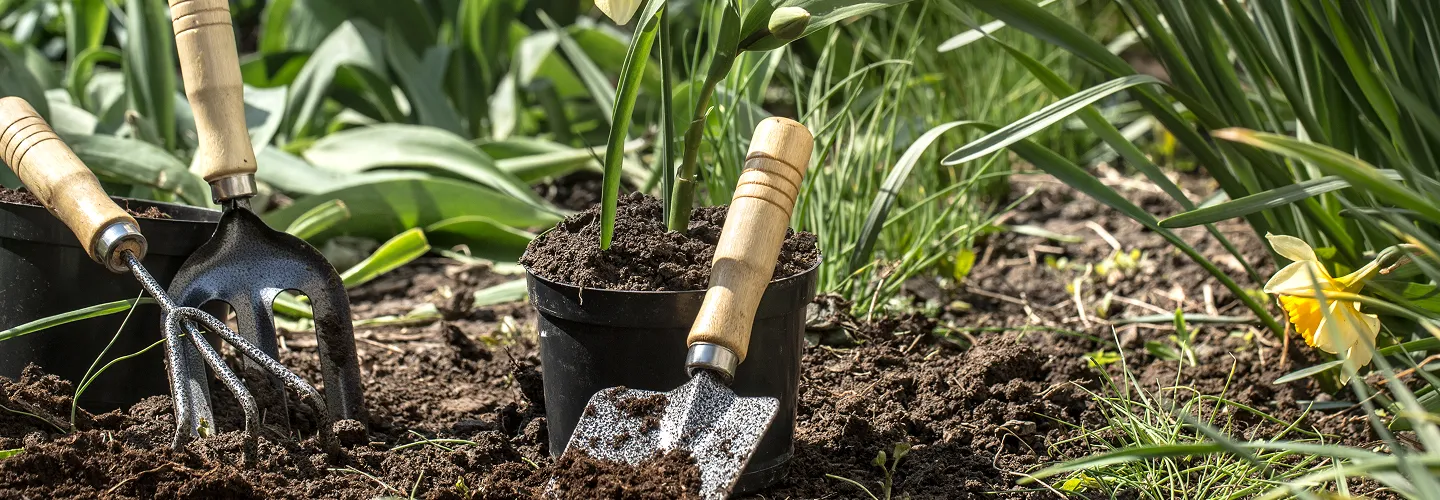
Choose our mulching services for healthier soil, improved moisture retention, and a beautiful, weed-free landscape that enhances your property's curb appeal.
Get a Free QuoteOur Montgomery Landscaping & Yard Care Services
When to Schedule Mulching in Montgomery, IL – Seasonal Guide
In Montgomery, IL, the best times to schedule mulching are typically in early spring and late fall. Spring mulching, ideally performed after the last frost but before the heat of summer, helps retain soil moisture and suppress weeds as plants begin their active growth. Fall mulching, on the other hand, insulates roots against winter temperature swings and helps maintain soil structure through the freeze-thaw cycles common in the Fox River Valley area.
Local factors such as the proximity to the Fox River, the mature tree canopies in neighborhoods like Lakewood Creek, and the clay-heavy soils found throughout Montgomery all influence the ideal timing for mulching. Humidity levels and the risk of summer droughts also play a role, as does the amount of shade coverage in established communities. For up-to-date information on municipal guidelines or seasonal restrictions, residents can consult the Village of Montgomery Official Website.
Local Factors to Consider for Mulching in Montgomery
- Tree density and shade coverage, especially in areas like Boulder Hill
- Soil type (clay vs. loam) and drainage characteristics
- Average precipitation and risk of summer drought
- Frost dates and seasonal temperature swings
- Municipal restrictions or community guidelines on landscaping
- Terrain and slope, which affect mulch retention and water runoff
Benefits of Mulching in Montgomery
Enhanced Soil Moisture Retention
Weed Growth Suppression
Improved Curb Appeal
Temperature Regulation for Plant Roots
Reduced Soil Erosion
Nutrient-Rich Soil Enrichment
Montgomery Mulching Types

Organic Mulch
-
Inorganic Mulch
-
Wood Chip Mulch
-
Pine Bark Mulch
-
Rubber Mulch
-
Compost Mulch
-
Stone Mulch
Our Mulching Process
Site Evaluation
Soil Preparation
Mulch Selection
Mulch Application
Final Inspection
Why Choose Montgomery Landscape Services
-
Montgomery Homeowners Trust Us
-
Expert Lawn Maintenance
-
Reliable Scheduling
-
Competitive Pricing
-
Professional Team
-
Satisfaction Guarantee
-
Personalized Service
Contact Montgomery's Department of Public Works for Municipal Mulch Programs & Yard Waste Management
Montgomery offers residents access to municipal mulch through seasonal distribution programs, typically held in spring and fall. Bulk mulch pickup is available at designated public works sites, with resident permit or sticker requirements for access. Finished compost and mulch blends are produced from municipal tree maintenance and storm debris, ensuring high-quality, disease-free materials. Yard waste disposal follows Illinois regulations, requiring biodegradable paper bags and brush bundles (maximum 4-foot lengths, 50-pound bundles). Composting facilities operate with set hours, permits, and nominal fees. Material sourcing includes:
- Municipal Programs: Free or low-cost mulch from city tree operations (seasonal, quality-controlled)
- Regional Suppliers: Certified organic mulch ($25-40/cubic yard hardwood, $30-50/cubic yard shredded bark, $40-80/cubic yard decorative stone)
- Sustainable Sources: Locally-produced materials to reduce environmental impact
Quality standards require clean, pesticide-free wood waste, proper composting (6-12 months), and disease-free certification. For more information, contact:
Montgomery Department of Public Works
200 N. River St., Montgomery, IL 60538
Phone: (630) 896-9241
Official Website: Montgomery Public Works Department
Professional Mulch Selection & Soil Health Benefits for Montgomery's Prairie Till Plains
Montgomery's soils, as identified by the USDA Web Soil Survey, are predominantly Prairie Till Plains with moderate to high clay content, neutral to slightly alkaline pH, and variable drainage. Mulch selection should consider these factors:
- Organic mulches (shredded hardwood, aged wood chips, compost blends, leaf mold, prairie grass clippings) improve soil structure and organic matter
- Inorganic mulches (limestone gravel, river rock, decorative stone) are suitable for high-traffic or specialty areas
- Specialty mulches (playground-certified, pathway, erosion control products) meet specific safety and durability needs
Benefits include 25-50% moisture retention, 10-15°F summer temperature moderation, 2-4 inch depth for weed suppression, and improved soil structure. Avoid mulches from invasive species by sourcing from reputable suppliers and coordinating with the Illinois Department of Natural Resources. Properly aged mulch (6-12 months) is essential for disease prevention in local prairie soils.
Montgomery Stormwater Management & MS4 Compliance Through Strategic Mulching
Montgomery participates in the federal Clean Water Act MS4 program, which requires stormwater management practices to reduce runoff and protect water quality. Strategic mulching on slopes and exposed soils can reduce runoff velocities by 30-50%, enhance infiltration, and filter pollutants. Mulch stabilizes soil, prevents sediment migration, and supports municipal stormwater programs under EPA NPDES requirements. Best management practices include:
- Immediate cleanup of mulch from impervious surfaces
- Proper installation on slopes to prevent washout
- Coordination with municipal street sweeping
- Compliance with Illinois Urban Manual standards
For technical guidance, contact:
Montgomery Engineering Department
200 N. River St., Montgomery, IL 60538
Phone: (630) 896-9241
Official Website: Montgomery Engineering Department
Illinois Environmental Protection Agency Guidelines & Water Quality Protection Standards
The Illinois Environmental Protection Agency sets requirements for water quality protection, including coordination with watershed programs and TMDL compliance. Mulching reduces irrigation needs by 25-40%, moderates soil temperature, and suppresses weeds, reducing herbicide use. Nutrient management is critical to prevent nitrogen and phosphorus runoff, supporting the Illinois Nutrient Loss Reduction Strategy. Runoff control measures include proper mulch installation to prevent migration into storm systems and coordination with municipal stormwater management. These practices protect Illinois rivers and streams from nutrient loading and sedimentation.
Professional Installation Standards, Application Depths & Quality Control Requirements
Professional mulch installation in Montgomery requires certified landscape professionals with specialized training in application techniques. Key technical specifications include:
- Application depth: 2-4 inches (never exceed 4 inches)
- Plant clearance: 6-inch diameter around trunks and stems
- Foundation setback: 3-5 inches from buildings
- Edge definition: Crisp bed edges to prevent migration
Installation involves site preparation, hand or mechanical spreading, and uniform coverage verification. Quality assurance protocols include material verification, uniformity assessment, post-installation plant health monitoring, and warranty standards (typically 1 year for material performance). For regulatory information, contact:
Montgomery Community Development Department
200 N. River St., Montgomery, IL 60538
Phone: (630) 896-8080
Official Website: Montgomery Community Development Department
Seasonal Mulching Calendar & Weather Timing for Montgomery's Climate Zone 5b
Montgomery is located in USDA Hardiness Zone 5b, with cold winters, hot summers, and variable precipitation. Recommended mulching schedule:
- Spring: April-May, after soil warms, for moisture retention
- Fall: October-November, for winter protection and spring preparation
- Summer: Mid-season refresh for high-decomposition areas
Weather coordination is essential—apply mulch when soil is moist but not saturated, avoid high winds (over 15 mph), and consider temperature for material handling. Maintenance includes annual refresh (every 1-2 years for organic mulches), seasonal inspection, and storm damage assessment. For weather updates, consult the National Weather Service Chicago.
Municipal Tree Care Coordination & Urban Forestry Programs in Montgomery
Montgomery's municipal tree care programs integrate tree removal and pruning debris into mulch production, supporting sustainability and local economic benefits. Recycled wood waste is aged 6-12 months to prevent disease and pest transmission, with contamination screening and coordination with certified organic programs. Community involvement is encouraged through resident education, volunteer mulch distribution, and Arbor Day events. For more information, contact:
Montgomery Forestry Division
200 N. River St., Montgomery, IL 60538
Phone: (630) 896-9241
Official Website: Montgomery Forestry Division
Erosion Control & Slope Stabilization Requirements for Illinois Landscapes
Erosion control is critical in Montgomery, especially on agricultural field edges, construction sites, streambanks, and residential slopes. Techniques include:
- Mulch application on slopes up to 3:1 (horizontal:vertical)
- Erosion control blankets for steeper grades
- Hydromulching for large areas
- Terracing and contouring
Compliance with local erosion ordinances and coordination with the [Kendall County Soil and Water Conservation District] is required. Regular inspection after rainfall, repair of washouts, and seasonal assessment are essential for long-term stability.
Integrated Pest Management & Long-Term Plant Health Through Proper Mulching
Strategic mulching supports Integrated Pest Management (IPM) by suppressing weeds, creating beneficial insect habitat, and preventing disease through moisture and temperature moderation. Plant health benefits include root zone protection, consistent soil moisture, improved soil structure, and enhanced nutrient cycling. Pest prevention protocols involve proper application to avoid rodent harboring, moisture management to prevent fungal issues, and tool sanitation. Long-term monitoring and adjustment are recommended, with diagnostic support from the University of Illinois Extension.
What Neighborhoods Do We Serve Throughout Montgomery, IL?
Montgomery's neighborhoods each present unique mulching considerations:
- Lakewood Creek: Well-drained soils, active HOA, playground and public space mulching, stormwater detention basins
- Boulder Hill: Older clay soils, mature trees, municipal mulch program access, aesthetic standards for historic areas
- Foxmoor: Proximity to Fox River, floodplain management, erosion control needs, public park mulching
- Montgomery Crossing: Newer developments, compacted soils, decorative mulch in commercial corridors, equipment access for large lots
- Marviray Manor: Sloped lots, drainage challenges, slope stabilization, seasonal accessibility
- Parkview Estates: Adjacent to parks, high public use, playground-certified mulch, coordination with Parks and Recreation
- Downtown Montgomery: Urban landscaping, tree pit mulching, stormwater management, maintenance logistics for high-traffic areas
Municipal services, aesthetic preferences, and stormwater requirements vary by area, with tailored mulch applications and maintenance schedules.
Montgomery Municipal Ordinances for Mulching Equipment Operation & Commercial Service Standards
Montgomery regulates mulching equipment operation to ensure safety and minimize disruption:
- Permitted hours: 7:00 AM - 8:00 PM weekdays, 9:00 AM - 6:00 PM weekends
- Noise restrictions and residential area limitations
- Commercial licensing, contractor registration, insurance (general liability, workers compensation), and bonding as required
- Safety protocols: Traffic control, proper equipment operation, pedestrian safety, right-of-way permits
- Environmental compliance: Proper material handling, vehicle maintenance, cleanup, and waste disposal
For ordinance details, contact:
Montgomery Department of Public Works
200 N. River St., Montgomery, IL 60538
Phone: (630) 896-9241
Official Website: Montgomery Public Works Department
By following these comprehensive guidelines and coordinating with municipal programs, Montgomery residents and professionals can support soil health, water quality, and sustainable landscape management through responsible mulching practices tailored to local conditions and regulatory requirements.